
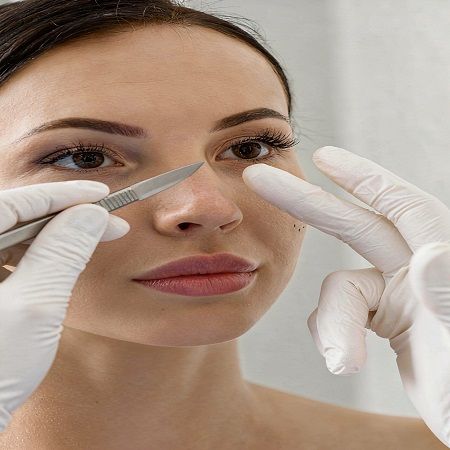
Rhinoplasty in Dubai has become one of the most sought-after facial procedures, drawing patients who want to refine nasal shape, improve facial harmony, or address breathing difficulties. Because the nose sits at the center of the face, even small changes can influence overall appearance and confidence. However, this procedure is genuinely complex, and understanding the medical realities before committing to surgery helps patients make informed, safe decisions rather than rushed ones.
Rhinoplasty in Dubai: Understanding the Procedure
Rhinoplasty, often called a nose job, is a surgical procedure that reshapes the structures of the nose. It may involve altering bone, cartilage, or soft tissue to change the size, width, profile, or tip definition. Some patients pursue it for cosmetic reasons, others for functional concerns such as nasal obstruction, and many for a combination of both.
Surgeons typically approach the nose through one of two methods:
- Open rhinoplasty: A small incision is made across the columella, the strip of tissue between the nostrils, allowing greater visibility of internal structures.
- Closed rhinoplasty: All incisions are placed inside the nostrils, leaving no external scar but offering more limited visualization.
Each approach has specific advantages depending on the patient's anatomy and the goals discussed during consultation. Neither is universally better; the choice depends on individual circumstances.
Who Typically Considers Rhinoplasty in Dubai
Patients seeking this procedure often fall into several groups:
- Individuals unhappy with the size or shape of their nose
- Those with a dorsal hump, wide bridge, or bulbous tip
- People experiencing breathing difficulty due to structural issues
- Patients who have previously undergone nasal surgery and need revision
- Those wanting to correct asymmetry following injury
It is important to note that rhinoplasty is not recommended for everyone. During assessment, a surgeon evaluates facial proportions, skin thickness, cartilage strength, and overall health. Patients with certain medical conditions, unrealistic expectations, or who are still in a phase of facial growth may be advised to wait or reconsider.
Rhinoplasty in Dubai: Safety and Realistic Outcomes
Safety is a central concern for anyone considering surgery. Modern rhinoplasty performed by qualified surgeons in accredited facilities is generally considered safe, but it is not risk-free. Potential complications include:
- Swelling and bruising that may take weeks to resolve
- Temporary numbness around the nose
- Difficulty breathing through the nose during early healing
- Infection, though uncommon with proper care
- Asymmetry or irregularities that may require revision
- Scarring, usually minimal and hidden
In our clinical experience, patients who follow pre-operative and post-operative instructions carefully tend to experience smoother recovery. What patients typically report during recovery is that the first week is the most uncomfortable, with gradual improvement thereafter.
Results are not immediate. The nose undergoes significant swelling that subsides over months. Final results often take twelve months or longer to fully settle, particularly in patients with thicker skin. Individual results vary, and no surgeon can guarantee a specific outcome.
The Consultation and Assessment Process
A proper consultation is the foundation of any successful rhinoplasty. During this appointment, the clinician may assess:
- Facial proportions and symmetry
- Skin quality and thickness
- Nasal airway function
- Medical history and medications
- Previous nasal trauma or surgery
- Patient goals and expectations
Photographs are often taken to facilitate discussion and surgical planning. Some surgeons use imaging software to simulate potential outcomes, though these simulations are illustrative rather than predictive.
Patients should feel comfortable asking questions and expressing concerns. A surgeon who listens carefully and explains limitations honestly is generally a better sign than one who promises perfect results.
Preparation Before Surgery
Once a surgical plan is agreed upon, patients receive specific instructions. These may include:
- Stopping certain medications such as blood thinners
- Avoiding smoking and alcohol
- Fasting before surgery as directed
- Arranging transportation and post-operative care
- Completing any required laboratory tests
Following these guidelines reduces the risk of complications and supports better healing.
Recovery and Downtime
Recovery from rhinoplasty varies depending on the complexity of the procedure and individual healing factors. A general timeline may look like this:
- First 24–72 hours: Swelling, bruising, and congestion are common. Rest with the head elevated is advised.
- First week: Splints or dressings are typically removed. Most patients can return to desk work around day seven to ten, though strenuous activity should be avoided.
- Two to four weeks: Bruising fades, and breathing improves. Social activities may resume with care.
- Three to six months: Most swelling resolves, and the nose begins to show more defined results.
- Twelve months and beyond: Final refinement continues, especially in thicker-skinned patients.
Recovery is not a race. Pushing too hard too soon can compromise results.
Choosing a Qualified Provider
Selecting the right surgeon and facility matters greatly. Patients should verify credentials, review before-and-after photographs of previous patients, and ensure the clinic maintains proper accreditation. A well-qualified provider will prioritize patient safety, individualized planning, and realistic expectations over aggressive marketing. At Tajmeels Clinic in Dubai, consultations are structured to help patients understand their options clearly before making any decisions.
Cost Factors to Consider
The cost of rhinoplasty varies widely based on:
- Surgical complexity
- Whether functional correction is needed
- Open versus closed technique
- Surgeon experience and reputation
- Facility standards and anesthesia requirements
- Revision versus primary surgery
- Follow-up care included
Rather than focusing solely on price, patients should consider value, safety, and the surgeon's suitability for their specific case.
Final Thoughts
Rhinoplasty is a significant decision that affects both appearance and function. Understanding the procedure, recovery, risks, and realistic outcomes helps patients approach surgery with clarity rather than pressure. A thorough consultation with a qualified professional remains the most important step. For those considering rhinoplasty, seeking individualized assessment ensures that decisions are based on medical suitability, not trends or assumptions.
Ready for a Change? Book Your Consultation Today
WhatsApp: +971 56 203 8751
Phone: +971 4 373 9000
Social Media: