
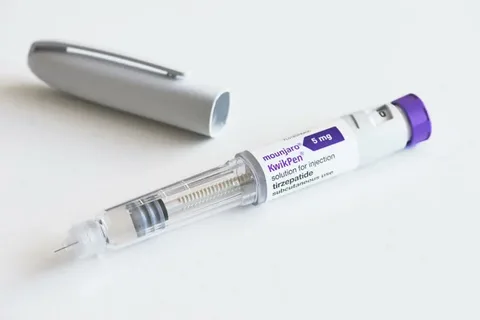
Understanding the complexities of medical metabolic therapy is vital for anyone considering the Mounjaro injection in Dubai. As this treatment continues to gain recognition for its role in managing type 2 diabetes and supporting weight loss, prospective patients often have many questions about its mechanism, safety, and integration into daily life. This guide addresses the most common inquiries to help you make informed decisions in partnership with your healthcare provider.
What Exactly Is Mounjaro?
Mounjaro is the brand name for tirzepatide, a prescription-only, once-weekly injectable medication. It belongs to a modern class of drugs called dual glucose-dependent insulinotropic polypeptide (GIP) and glucagon-like peptide-1 (GLP-1) receptor agonists. Unlike older treatments that target only one hormonal pathway, Mounjaro acts on two distinct receptors in the body, providing a more comprehensive approach to regulating insulin secretion, blood sugar control, and appetite signals.
How Does It Differ from Other Weight Loss Injections?
While other injectable therapies (such as those containing semaglutide) primarily target the GLP-1 receptor, Mounjaro’s dual-agonist action on both GLP-1 and GIP receptors distinguishes it. This dual mechanism is believed to offer a more robust effect on metabolic health, often leading to more significant improvements in glycemic control and weight management outcomes in clinical studies.
Who Is Eligible for Mounjaro Treatment?
Eligibility is determined through a formal medical consultation. Generally, it is prescribed for adults living with type 2 diabetes or individuals seeking support for weight management who have a Body Mass Index (BMI) of 30 or higher. Those with a BMI of 27 or above may also be eligible if they have weight-related health conditions, such as hypertension, dyslipidemia, or obstructive sleep apnea. A thorough clinical assessment is required to ensure the treatment is safe, as individuals with a personal or family history of medullary thyroid carcinoma or Multiple Endocrine Neoplasia syndrome are generally excluded from using this medication.
How Is the Medication Administered?
Mounjaro is delivered via a weekly, self-administered subcutaneous injection using a pre-filled, user-friendly pen. The medication can be injected into the abdomen, the outer thigh, or the back of the upper arm. It is important to rotate your injection site with each dose to prevent skin irritation. Your clinical team will provide hands-on training to ensure you are comfortable and confident with the administration process before you begin.
Is There a Specific Dosing Schedule?
Yes, the treatment follows a specific, medically supervised titration schedule. Most patients begin with a starting dose of 2.5 mg once weekly for the first four weeks to allow the body to acclimate. Based on your clinical response and tolerability, your doctor may then gradually increase the dose in 2.5 mg increments, typically at four-week intervals, to reach your optimal therapeutic level. You should never adjust your dose or frequency without the direct supervision of your medical provider.
What Are the Most Common Side Effects?
As your body adjusts to the medication, you may experience mild, transient digestive side effects, such as nausea, diarrhea, constipation, or indigestion. These are generally dose-dependent and tend to improve as your body becomes accustomed to the treatment. Proactive management—such as staying hydrated, consuming smaller, nutrient-dense meals, and adhering to your clinic’s dietary advice—can help minimize these sensations.
Can Mounjaro Be Used Alongside Other Medications?
It is essential to disclose all medications, vitamins, and supplements you are currently taking during your initial consultation. Mounjaro can interact with other diabetes medications, such as insulin or sulfonylureas, which may increase the risk of hypoglycemia (low blood sugar). Your physician will review your current regimen and may adjust your other prescriptions to ensure your treatment remains safe and effective.
How Long Do I Need to Take the Medication?
The duration of treatment is highly individualized and depends on your specific health goals and how your body responds to the therapy. For type 2 diabetes, it is often used as a long-term management tool. For weight management, it is intended to be used alongside lifestyle changes to help you reach your goals and maintain your results. Your medical team will regularly review your progress to determine the appropriate duration and long-term maintenance strategy for you.
Where Can I Access Mounjaro in Dubai?
Mounjaro is a prescription medication and must be obtained through authorized, licensed clinics and pharmacies in the UAE. It is important to prioritize safety and only source the medication through regulated medical providers who offer professional supervision. Attempting to acquire the medication from unregulated sources is dangerous and does not provide the clinical oversight necessary for your safety.
How Do I Get Started?
If you believe Mounjaro may be the right option for your health journey, the first step is to schedule a consultation with a licensed medical professional in Dubai. During this visit, your doctor will conduct a full health assessment to determine if the treatment is appropriate for your needs, discuss the expected outcomes, and create a personalized plan to support your success.