
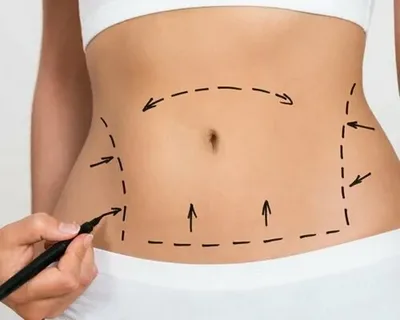
Not everyone who dislikes a stubborn pocket of fat is automatically a good surgical candidate. Suitability for liposuction in dubai depends on medical history, skin quality, body composition, and emotional readiness — not simply on how a treatment area looks in the mirror. This article breaks down the clinical and practical factors surgeons evaluate, so you can judge whether a consultation is worth your time and arrive better prepared for it.
What Defines a Good Candidate for Liposuction in Dubai
Surgeons generally look for patients who are medically stable, close to their ideal body weight, and dealing with localized fat that has resisted lifestyle measures. Good skin tone matters too, because skin must retract after fat is removed. Age is less important than skin elasticity and overall health.
Equally important is psychological readiness. Patients who understand the limitations of surgery, accept that scars and recovery are part of the process, and have realistic expectations tend to report better satisfaction. Those seeking surgery to resolve body image distress or to please someone else may benefit from a different conversation altogether.
Medical Factors That Influence Suitability
A consultation typically includes a review of:
- Current medications, especially blood thinners, which may need adjustment
- Chronic conditions such as diabetes, hypertension, or thyroid disorders
- Smoking status, since smoking impairs wound healing
- Previous surgeries, particularly in the same area
- Allergies and anesthesia history
- Pregnancy plans, as surgery is deferred during pregnancy
None of these automatically disqualifies a patient, but each shapes the surgical plan, anesthesia choice, and risk discussion. Some patients are asked to optimize a condition with their physician before proceeding.
Body Composition and Skin Quality
Liposuction in Dubai is designed for contouring, not for significant weight reduction. Patients carrying a large amount of excess weight are usually advised to pursue weight management first, because the procedure is safer and more effective when body weight is relatively stable.
Skin elasticity is the other major variable. Younger patients and those with good skin quality often see smoother results. Patients with substantial skin laxity — common after pregnancy or major weight loss — may need skin-tightening techniques or excision procedures to achieve a satisfactory contour. A surgeon can assess this physically during examination.
When the Procedure Is Not Recommended
There are situations where a responsible surgeon will decline or delay surgery. These include uncontrolled medical conditions, active infection, pregnancy or breastfeeding, unrealistic expectations, and body dysmorphic concerns. Some patients are better served by non-surgical fat reduction, lifestyle programs, or psychological support.
Being told "not now" is not a rejection of your goals — it is a safety judgment. A clinician who explains the reasoning and offers an alternative pathway is demonstrating exactly the kind of professional judgment patients should value.
Lifestyle and Logistical Readiness
Suitability also involves practical considerations. Recovery requires time off work, help with daily tasks, and adherence to compression garments and follow-up appointments. Patients who travel frequently, cannot arrange adequate recovery time, or cannot commit to aftercare may be advised to postpone.
Smoking cessation, ideally several weeks before surgery, is often requested. Alcohol moderation and stable nutrition support healing. These are not moral requirements — they are factors that measurably influence wound healing and complication rates.
The Role of Consultation in Decision-Making
A consultation is the only reliable way to determine individual suitability. It usually includes a physical examination, measurement of treatment areas, medical history review, and an honest discussion of what surgery can and cannot achieve. Photographs may be taken for planning and comparison.
Patients should ask direct questions: What results are realistic for my body? What are the risks in my specific case? How many similar procedures has the surgeon performed? What is the plan if a revision is needed? A good consultation feels like a two-way clinical conversation, not a sales pitch.
Clinics that emphasize thorough assessment before booking surgery — such as Tajmeels Clinic in Dubai — help patients avoid decisions made on impulse. That approach protects both patient safety and satisfaction.
Practical Next Step
If you believe you may be a candidate for liposuction in Dubai, the sensible next step is a consultation rather than a decision. Bring a list of medications, your medical history, and honest questions. Suitability is individual, and the right answer comes from clinical assessment — not from an article, a friend's experience, or an advertisement.
Ready to Begin Your Transformation?
Get in touch with us today to explore exclusive offers and find the right treatment for you!
WhatsApp: +971 56 203 8751
Phone: +971 4 373 9000
Social Media: