
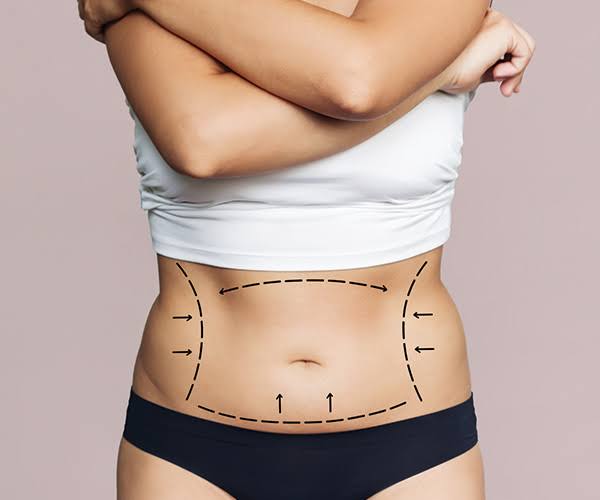
Safety is the question that should come before every other consideration when researching body contouring. Patients searching for Liposuction in Dubai often encounter polished before-and-after galleries and confident marketing, but far fewer clear explanations of what can go wrong, how risks are managed, and what outcomes are genuinely achievable. This article takes a clinical, balanced look at safety standards, common and uncommon risks, the factors that influence results, and the questions that separate informed patients from hopeful ones. It offers general education only—your personal risk profile can only be assessed by a qualified clinician.
Liposuction in Dubai: Understanding the Safety Framework
Surgical safety rests on several pillars: appropriate patient selection, a properly equipped facility, an adequately trained surgeon, and structured aftercare. When any of these is weak, complication rates rise. This is why the setting in which treatment takes place matters as much as the technique itself.
Facility standards
Procedures should be performed in facilities with appropriate sterilization protocols, monitoring equipment, and emergency preparedness. Patients are entitled to ask about accreditation and how emergencies are handled.
Surgeon training and scope
A surgeon's specific training in body contouring, their experience with the technique proposed, and whether they operate within their scope of practice are fair questions—and clinicians expect them.
Anesthesia considerations
The type of anesthesia used affects risk. Larger volumes of fat removed, longer procedures, and combined surgeries generally increase anesthetic demands, which is one reason extensive cases require careful planning.
Common Side Effects Versus Complications
It helps to distinguish expected post-surgical effects from genuine complications. The former are part of healing; the latter require medical attention.
Expected effects
Bruising, swelling, soreness, temporary numbness, and fluid leakage from incision sites are commonly reported. These typically settle over days to weeks.
Complications to watch for
Infection, excessive bleeding, blood clots, fluid accumulation (seroma), persistent contour irregularities, skin burns from certain energy-based techniques, and reactions to anesthesia are recognised risks. Any sign of fever, spreading redness, worsening pain, or breathing difficulty warrants prompt medical review.
Liposuction in Dubai: Factors That Shape Realistic Outcomes
Results are influenced by variables patients can partly control and variables they cannot. Understanding this helps set honest expectations.
- Volume removed: Larger removals produce more visible change but carry higher risk.
- Skin quality: Elastic skin conforms better; lax skin may need additional treatment.
- Healing biology: Individual healing varies and cannot be predicted precisely.
- Surgeon technique: Skill and aesthetic judgment affect contour smoothness.
- Aftercare compliance: Compression garments and activity guidance support healing.
No responsible clinician guarantees a specific result. What can be promised is a structured process: assessment, planning, execution, and follow-up.
Reducing Risk Before and After Treatment
Some risk reduction happens before the operating room. Patients are often advised to stop smoking, adjust certain medications under medical supervision, and optimise conditions such as blood pressure or blood sugar. After surgery, following garment instructions, attending reviews, and avoiding strenuous activity too early all contribute to safer healing.
In our clinical experience, the patients who recover most smoothly are usually those who disclosed their full medical history, followed aftercare instructions closely, and raised concerns early rather than waiting. A culture of open communication—where no question feels trivial—is central to how Tajmeels Clinic in Dubai approaches surgical planning and follow-up.
How to Evaluate Safety Claims
Marketing language can blur important distinctions. Useful habits include:
- Asking whether claims refer to published evidence, general experience, or anecdote
- Requesting a clear explanation of risks specific to your case
- Confirming who performs the procedure and who provides follow-up
- Reading consent documents carefully rather than skimming
Questions Patients Should Ask About Safety
- What are the most common complications for this procedure, and how are they managed?
- What is the emergency protocol at this facility?
- How many treatments of this type have you performed?
- What follow-up schedule is included, and who is contactable after hours?
- Are there aspects of my health history that increase my risk?
Final Thoughts
Safety in body contouring is not a slogan—it is a set of decisions made before, during, and after surgery. A realistic outcome is one that accounts for both benefits and limitations, and a trustworthy clinician will discuss both with equal candour. If you proceed, proceed informed.
Ready to Begin Your Transformation?
Get in touch with us today to explore exclusive offers and find the right treatment for you!
WhatsApp: +971 56 203 8751
Phone: +971 4 373 9000
Social Media: