
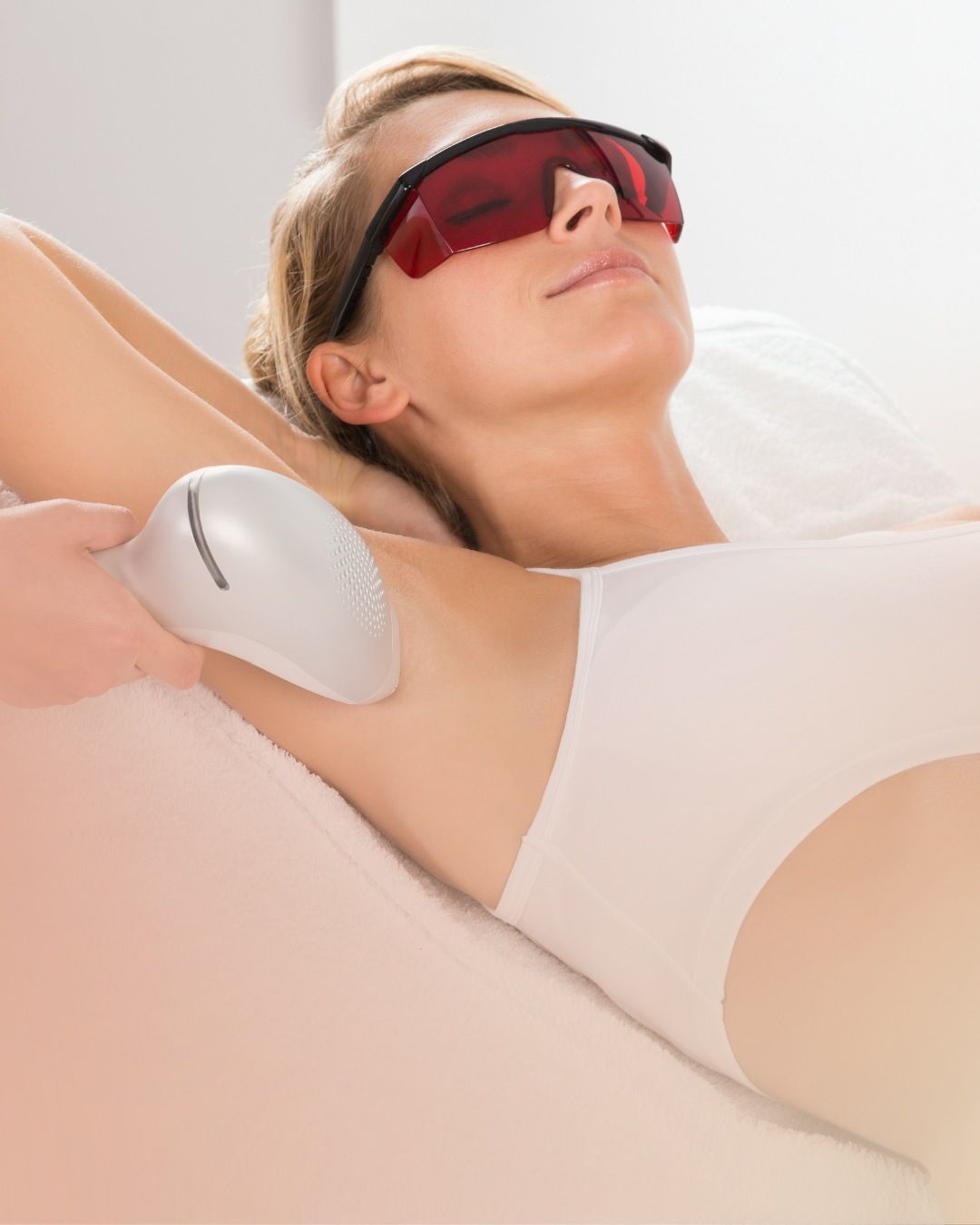
Not everyone who wants less body hair is automatically a good candidate for laser treatment. Suitability depends on a mix of skin type, hair characteristics, medical history, and hormonal factors that only a proper assessment can clarify. This article explores who tends to respond well to Laser Hair Removal in Dubai, who may need extra caution, and how a clinician decides whether the treatment is appropriate for you.
What Makes Someone a Good Candidate?
The ideal candidate typically has dark, coarse hair and lighter skin, because the laser works by targeting contrast between hair pigment and the surrounding skin. That said, modern devices have broadened the range of people who can be treated safely, including many with darker skin tones or finer hair. Suitability is no longer a simple yes-or-no question based on appearance alone.
Several factors influence how well someone may respond:
- Hair colour, thickness, and density
- Skin tone and how it reacts to light
- The treatment area and its sensitivity
- Underlying hormonal conditions
- Current medications and supplements
- Previous laser or waxing history
During a consultation, a clinician may assess these variables and explain what results are realistic for your specific situation.
Laser Hair Removal in Dubai: When Caution Is Needed
Certain circumstances call for extra care or may make treatment unsuitable until addressed. For example, active skin infections, open wounds, or inflammatory conditions in the treatment area usually need to resolve before laser sessions begin. A history of keloid scarring may also raise concerns, since some patients are more prone to abnormal scar formation.
Medications that increase photosensitivity can raise the risk of burns or pigment changes, so a full medication review is important. Pregnancy is another situation where many clinics postpone treatment as a precaution, even though evidence does not clearly show harm. In our clinical experience, being transparent about your health history helps the clinician protect you from avoidable complications.
How Hormones Affect Candidacy and Results
Hormonal balance plays a significant role in hair growth and regrowth. Conditions such as polycystic ovary syndrome (PCOS), thyroid disorders, and elevated androgen levels can stimulate hair follicles and reduce how well laser treatment performs. Patients with these conditions may still benefit from treatment, but results can be less predictable and maintenance sessions may be needed more often.
If a clinician suspects an underlying hormonal issue, they may recommend a medical evaluation before starting. Addressing the root cause often improves long-term outcomes and helps patients set realistic expectations.
Laser Hair Removal in Dubai: Skin Tone and Laser Selection
Different lasers suit different skin tones. Devices such as Nd:YAG lasers are often preferred for darker skin because their longer wavelength penetrates more deeply while bypassing surface pigment, lowering the risk of burns and discolouration. Alexandrite and diode lasers tend to work well for lighter skin types with finer hair.
The right choice depends on a professional assessment rather than guesswork. Using the wrong device or settings for your skin can lead to burns, blistering, or hyperpigmentation, which is why choosing an experienced provider matters as much as choosing the treatment itself.
Age and Candidacy
Laser hair removal is generally not recommended for children or adolescents whose hormonal systems are still developing, as hair growth patterns may change. Most providers prefer to treat adults whose hair growth has stabilised. There is no strict upper age limit, but older patients may have finer or greyer hair that responds less effectively to laser energy.
Medical Conditions That May Affect Suitability
Some health conditions require careful consideration before treatment. These may include:
- Active skin conditions such as eczema or psoriasis in the treatment area
- A history of cold sores when treating the face
- Autoimmune conditions affecting the skin
- Diabetes with poor wound healing
- Recent sun exposure or tanning
None of these automatically rule out treatment, but they do mean the clinician needs to adjust the plan or take additional precautions.
Why a Consultation Is Essential
No article can determine whether you are a suitable candidate; that requires an in-person assessment. A qualified clinician can examine your skin and hair, review your medical history, and discuss the risks and benefits specific to you. This step protects both your safety and your satisfaction with the outcome.
At Tajmeels Clinic in Dubai, consultations focus on individual suitability rather than a one-size-fits-all approach. Patients are encouraged to ask questions and understand the reasoning behind any recommendation before proceeding.
Questions Worth Asking Your Clinician
Before committing to a treatment plan, consider asking:
- Which laser type suits my skin and hair?
- How many sessions might I realistically need?
- What side effects should I watch for?
- How should I prepare between sessions?
- Are there alternatives if I am not a good candidate?
Clear answers help you judge whether the provider is thorough and transparent.
Realistic Expectations for Suitable Candidates
Even good candidates should understand that laser hair removal is best described as long-term hair reduction rather than permanent removal. Some hair may return over time, particularly in hormonally active areas, and occasional maintenance sessions are common. Results vary between individuals, and no provider can guarantee a specific outcome.
If you believe you may be a suitable candidate, the next step is a professional assessment. This ensures your treatment plan is built around your skin, your health history, and your goals, rather than a generic protocol.
For More Details, Contact Us Through:
WhatsApp: +971 56 203 8751
Phone: +971 4 373 9000
Social Media: