
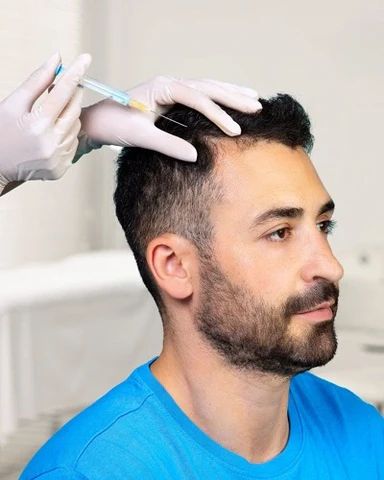
When individuals experience persistent hair loss, it often impacts more than just their appearance; it affects their self-esteem and daily confidence. Seeking a hair transplant in Dubai provides a medically advanced pathway to restoring natural hair density, allowing patients to regain the look they desire through expert surgical intervention.
What Is This Restorative Procedure?
A hair transplant is a surgical technique that moves individual hair follicles from a donor site—usually the back or sides of the scalp—to areas experiencing thinning or baldness. These donor follicles are genetically resistant to the hormone dihydrotestosterone (DHT), which is the primary driver of pattern hair loss. By relocating these resilient grafts, surgeons can create sustainable growth in areas where hair has previously ceased to develop.
How This Treatment Mechanism Works
The mechanism of action relies on the physiological stability of the donor hair. During the procedure, specialized instruments are used to extract follicular units. Once harvested, these units are meticulously implanted into micro-incisions made in the recipient area. The success of the procedure depends heavily on the surgeon's ability to match the natural angle, depth, and direction of the patient’s existing hair, ensuring the results appear seamless and indistinguishable from natural growth.
Why This Intervention Is Used
The primary purpose of undergoing this surgery is to address permanent hair loss, such as androgenetic alopecia. Unlike temporary topical solutions or shampoos, which only provide cosmetic camouflage, this procedure offers a permanent structural change. It is designed to provide long-term density for individuals who have exhausted non-surgical options but still have viable donor areas on their scalp.
Benefits of Hair Transplant in Dubai
- Permanent Results: Once the transplanted follicles take root, they typically grow for a lifetime.
- Natural Appearance: By mimicking the patient's original hair growth patterns, the final aesthetic is entirely natural.
- Minimal Downtime: Modern techniques allow patients to return to light daily activities shortly after the session.
- Boosted Confidence: Restoring one's hairline often results in a significant improvement in self-image and social interaction.
Ideal Candidates for the Procedure
Ideal candidates are those with stable, permanent hair loss and a sufficient supply of healthy donor hair. A thorough scalp evaluation is necessary to determine if a patient has realistic expectations and a good overall health profile. In our clinical experience, patients with moderate to severe hair thinning often see the most dramatic improvement in their overall facial aesthetics.
Step-by-Step Treatment Procedure
- Consultation & Design: The surgeon maps out the hairline and donor site.
- Anesthesia: Local anesthesia ensures the patient remains comfortable and pain-free.
- Follicle Extraction: Individual grafts are carefully removed from the donor zone.
- Implantation: The medical team implants the follicles into the recipient sites with precision.
- Post-Procedure Care: The scalp is cleaned, and instructions for initial healing are provided.
Common Target Zones
| Zone | Focus Area | Goal |
| Frontal | Hairline | Redefining shape and framing the face. |
| Mid-Scalp | Density | Filling in thinning sections. |
| Crown | Vertex | Providing coverage to the top-rear scalp. |
Hair Transplant in Dubai Recovery Timeline
Healing typically follows a predictable course. Patients may experience minor swelling or redness for the first few days. By weeks two to four, the transplanted hair shafts often shed; this is a normal part of the process, as the follicles enter a temporary resting phase. Real, visible regrowth typically begins around the four-month mark, with full maturity of the transplanted hair occurring between 12 and 18 months.
Safety and Potential Side Effects
While considered a highly safe procedure, all surgeries carry minor risks, such as temporary swelling, mild itching, or localized discomfort. These are generally managed with prescribed post-operative medications. Choosing a qualified specialist ensures that the procedure is performed in a sterile environment, significantly minimizing the risk of complications.
How to Maintain Results
After the initial recovery, maintaining results involves protecting the scalp from excessive sun exposure and following a balanced diet to support follicular health. Some patients may opt for follow-up PRP treatments to further stimulate blood flow and strengthen existing hair density. During the final phase of your journey, the team at Tajmeels Clinic will provide tailored guidance to ensure your new hair remains healthy and vibrant for years to come.
Conclusion and Next Steps
Regaining your hair is a transformative experience, and you don’t have to navigate it alone. Whether you are dealing with a receding hairline or thinning crown, professional intervention can provide the lasting results you seek. If you are ready to take the next step toward a more confident version of yourself, our specialists are here to offer the guidance and expertise you need to succeed.