
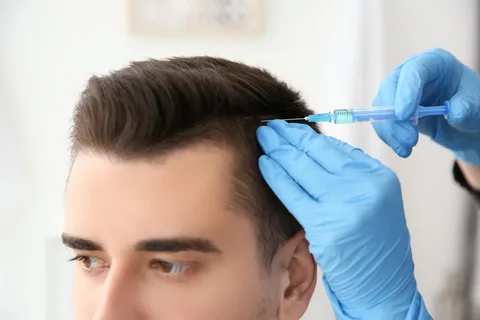
Hair loss can affect confidence, self-image, and social comfort, prompting many people to explore restorative options. Before committing to any procedure, understanding the fundamentals helps patients make informed decisions. A hair transplant in Dubai has become an increasingly discussed option for those seeking a more permanent approach to hair restoration. This article explains the essential medical background, realistic expectations, and key considerations every patient should review before pursuing treatment.
Understanding What Hair Restoration Involves
Hair transplantation is a surgical procedure that moves hair follicles from a donor area—typically the back or sides of the scalp—to areas experiencing thinning or baldness. These donor follicles are genetically resistant to the hormone responsible for common pattern hair loss, which is why they continue growing after relocation.
The two primary techniques are:
- Follicular Unit Extraction (FUE): Individual follicles are extracted and implanted one by one.
- Follicular Unit Transplantation (FUT): A strip of scalp is removed, and follicles are dissected before implantation.
Each method has distinct advantages, and the appropriate choice depends on the patient's hair characteristics, extent of loss, and treatment goals. A qualified clinician assesses these factors during consultation.
Who Typically Considers This Treatment
Candidates often include adults experiencing androgenetic alopecia, scarring from injury or previous surgery, or thinning related to other causes. However, suitability depends on several factors:
- Adequate donor hair density
- Stable hair loss patterns
- Realistic expectations
- Good general health
- No active scalp infections
During assessment, a clinician may evaluate medical history, examine the scalp, and discuss goals. Patients with certain medical conditions or those taking specific medications may not be suitable candidates, and professional guidance is essential.
Hair Transplant in Dubai: Safety and Clinical Standards
Safety is a primary concern for anyone considering surgery. A hair transplant in Dubai performed at a reputable facility follows strict hygiene protocols, uses appropriate anesthesia, and ensures qualified medical supervision throughout. Risks exist with any procedure and may include:
- Temporary swelling or redness
- Infection (uncommon with proper care)
- Scarring at donor or recipient sites
- Graft failure or poor growth
Serious complications are rare when the procedure is performed by experienced professionals. Patients should disclose all medications, supplements, and health conditions before treatment to reduce avoidable risks.
What the Procedure Day Involves
Most sessions last several hours, depending on the number of grafts required. The steps typically include:
- Pre-operative consultation and planning
- Local anesthesia administration
- Follicle extraction
- Graft preparation
- Implantation into recipient areas
- Post-procedure instructions and care guidance
Discomfort during the procedure is usually managed effectively with anesthesia. Afterward, patients may experience tightness, soreness, or mild swelling, which generally resolves within days.
Hair Transplant in Dubai: Recovery and Realistic Timelines
Recovery varies by individual and technique. In the first week, patients often notice scabbing and redness. By weeks two to three, most scabs have healed. Transplanted hair may shed within the first month—this is expected and does not indicate failure.
New growth typically begins around three to four months. Noticeable improvement often appears by six to nine months, with final results maturing between twelve and eighteen months. Individual outcomes differ based on healing, adherence to aftercare, and biological factors.
Planning Financially Without Assumptions
Cost is a practical consideration, and patients should understand what influences pricing rather than focusing on a single figure. Factors include:
- Number of grafts needed
- Technique selected
- Clinician experience and facility standards
- Anesthesia requirements
- Follow-up care and any adjunct treatments
Discussing these elements transparently during consultation helps patients plan without surprise. No two treatment plans are identical, and pricing reflects individual clinical needs.
Why Professional Assessment Matters
Self-assessment or online research cannot replace an in-person evaluation. A qualified clinician examines donor quality, scalp condition, and pattern progression to determine whether treatment is appropriate. At Tajmeels Clinic in Dubai, consultations focus on individualized planning, safety, and realistic outcome discussions. This approach helps patients avoid unnecessary procedures and ensures they understand what treatment can and cannot achieve.
Questions Worth Asking Before Proceeding
Prepared patients ask:
- What technique is recommended and why?
- How many sessions may be required?
- What are the expected short-term and long-term outcomes?
- What aftercare is necessary?
- What are the potential complications?
Clear answers help patients feel confident in their decision and reduce the likelihood of misunderstanding.
Conclusion
Understanding the essentials—procedure types, candidacy, safety, recovery, and costs—empowers patients to make thoughtful choices. A hair transplant in Dubai can offer meaningful improvement for suitable candidates, but results depend on proper assessment, skilled execution, and realistic expectations. If you are considering treatment, a professional consultation can clarify whether it aligns with your goals. Individual results vary, and medical guidance should always precede any decision.
For More Details, Contact Us Through:
WhatsApp: +971 56 203 8751
Phone: +971 4 373 9000
Social Media: