
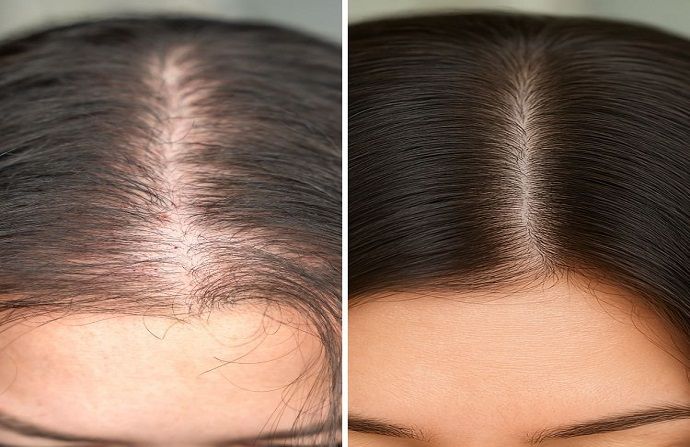
Modern hair restoration has evolved into a highly specialized discipline where the focus has shifted from mere hair coverage to the creation of an undetectable, "invisible" result. A Hair Transplant in Dubai in 2026 is defined by this pursuit of naturalness, utilizing sapphire-tipped instruments and AI-assisted planning to mimic the intricate patterns of original hair growth. For many, the goal is a restoration so seamless that it defies detection even under close inspection.
Achieving these premium outcomes requires more than just advanced tools; it demands a surgeon’s artistic intuition and a deep understanding of facial proportions. In the current medical landscape, patients are no longer looking for dramatic, artificial changes but rather a refined version of their younger selves. This blog explores the clinical standards and technical breakthroughs that make these natural results possible.
The Aesthetic Foundation of Hair Transplant in Dubai
A successful hair transplant is one that respects the natural laws of hair distribution. Human hair does not grow in a straight line or at a uniform density across the scalp. Therefore, a Hair Transplant in Dubai must incorporate these subtle irregularities to look authentic. This includes creating a soft "transition zone" at the very front of the hairline using only single-hair follicles.
In our clinical experience, the design of the hairline is the most critical step in ensuring a natural look. It must account for the patient's age, bone structure, and future hair loss projections. By placing follicles at the correct exit angle—often as low as 10 to 15 degrees in the temple area—surgeons can replicate the flow of natural hair.
The Mechanism of Action: Sapphire and Precision Tools
The move from traditional steel blades to sapphire crystal blades has revolutionized the mechanism of channel creation. Sapphire blades are significantly sharper and smoother, allowing for V-shaped incisions that are much smaller than traditional U-shaped ones. This precision results in less tissue trauma, faster healing, and the ability to place grafts closer together for higher density.
Because the incisions are so minute, the scalp's blood supply is better preserved, which directly impacts the graft survival rate. The "silent" healing of sapphire-assisted procedures means that once the initial redness subsides, there is virtually no visible scarring, even in the donor area. This is a vital component of the high-end clinical experience in 2026.
Why Strategic Planning Is Essential for Longevity
The purpose of a modern transplant is to provide a solution that looks as good in ten years as it does in one. Strategic planning involves "donor management," where the surgeon ensures that the back of the head is not over-harvested. This preservation of the donor site is essential in case the patient requires a second procedure as they continue to age.
Using AI-powered analysis tools, clinical teams can now project future thinning patterns. This allows us to place transplanted hair in a way that will blend naturally even if the surrounding native hair continues to recede. It is this forward-thinking approach that distinguishes a medically responsible treatment plan from a temporary cosmetic fix.
Clinical Benefits of Personalized Hair Design
One of the primary benefits of current techniques is the ability to customize density. Not every area of the scalp requires the same amount of hair. For instance, the mid-scalp needs high density to provide "visual weight," while the hairline requires a more delicate touch. Tailoring the graft count to specific zones creates a balanced, harmonious appearance.
Furthermore, the use of DHI (Direct Hair Implantation) allows for extreme control over the depth of each follicle. What patients typically report during recovery is that the texture of the new hair feels remarkably similar to their original hair because it has been placed at the correct anatomical depth to receive optimal blood flow and nutrients.
Ideal Candidates for High-Density Restoration
The most successful candidates are those who have a clear "safe donor zone" and have stabilized their hair loss through medical or topical therapies. During a clinical evaluation, we also look at hair caliber—thicker hair shafts provide more "visual coverage" per graft than fine hair.
In our clinical experience, patients with realistic expectations who understand the timeline of hair growth achieve the highest satisfaction. While the technology of 2026 is incredible, it is still limited by the amount of available donor hair. A thorough consultation ensures that the surgical plan is both ambitious and achievable.
The Surgical Protocol: From Design to Implantation
The process begins with "Digital Mapping," where AI software calculates the exact number of grafts needed for each zone. After local anesthesia is applied, the extraction of follicular units is performed with micro-punches. In 2026, many clinics use punches as small as 0.6mm to ensure the donor area remains virtually untouched in appearance.
Following extraction, the surgeon creates the recipient sites using sapphire blades. The final step—implantation—requires a team of highly skilled technicians who place each graft according to the surgeon's map. This phase is a test of endurance and precision, often taking several hours to complete properly.
| Recovery Stage | Timeframe | Clinical Milestone |
| Inflammatory Phase | Days 1–3 | Initial healing of micro-incisions |
| Proliferation Phase | Days 4–10 | Crusts fall off; skin surface closes |
| Resting Phase | Weeks 2–8 | Transplanted hairs shed (Normal) |
| Growth Phase | Months 3–12 | Consistent new hair production begins |
Targeting the Vertex and Temporal Peaks
While the front hairline gets the most attention, the temporal peaks (the hair at the sides of the forehead) are essential for a youthful look. Restoring these areas requires a very fine hair caliber and a specific "downward" growth angle. If these are ignored, the result can look "pluggy" or disconnected from the face.
The vertex, or crown, is another high-priority zone. Due to the spiral growth pattern in this area, surgeons must use a "whirlpool" placement technique. This requires more grafts per square centimeter than other areas to ensure that no "see-through" patches remain once the hair grows to its full length.
Complexity Factors in Modern Restoration
Several factors can influence the complexity of a Hair Transplant in Dubai. These include the patient's skin type, the presence of previous surgical scars, and the specific characteristics of their hair (such as curliness or color contrast with the skin). Patients with curly hair often require specialized extraction tools to avoid damaging the curved follicle under the skin.
Additionally, the use of regenerative adjuncts like Exosome therapy or PRP (Platelet-Rich Plasma) can add a layer of complexity to the treatment plan. These therapies are often used to "prime" the scalp before surgery, ensuring the highest possible graft uptake and a faster overall recovery for the patient.
Timeline of Aesthetic Maturation
Patients must understand that a transplant is a biological process, not an instant fix. After the initial shedding phase—which can be a bit discouraging—the first signs of "real" growth appear around the four-month mark. This hair is often fine and light at first, but it thickens significantly as the months progress.
By month nine, the density is usually high enough to allow for styling. The final "aesthetic maturation" occurs at 12 to 15 months, when the hair has reached its full caliber and the scalp has completely softened. At this stage, the transformation is complete, and the transplanted hair behaves exactly like the rest of your hair.
Safety Standards and Patient Comfort
Patient comfort is a priority in 2026. High-tech "painless" anesthesia delivery systems mean that the initial numbing process is much more comfortable than in the past. Throughout the day, the clinical team monitors vitals and ensures the patient is relaxed, often providing entertainment or light meals during the longer sessions.
From a safety perspective, maintaining a sterile environment is non-negotiable. Following all post-operative care instructions—such as avoiding high-impact exercise and direct sun for the first two weeks—is the best way to prevent any minor complications and ensure the follicles have the best environment to thrive.
Maintenance for a Lifetime of Results
While the transplanted hair is permanent, your original hair may still be subject to thinning. To maintain a seamless look, many patients continue with medical maintenance. This "prejuvenation" strategy helps keep the surrounding hair thick, ensuring that the transplant remains blended and natural as the years go by.
In our clinical experience, the most satisfied patients are those who view their transplant as part of a broader commitment to scalp health. Regular check-ups and a healthy lifestyle support the longevity of the results. By protecting your investment with good habits, you can enjoy a full head of hair for decades to come.
Conclusion: Precision and Empathy in Care
Restoring your hair is about more than just aesthetics; it is about aligning your external appearance with your internal sense of self. The journey requires a patient-centered approach that combines high-level medical science with an empathetic understanding of your goals. At Tajmeels Clinic, we believe that every patient deserves a result that is as unique as their own DNA. By focusing on the fine details—from the angle of every graft to the long-term health of your donor area—we provide a service that is both authoritative and deeply personal. We are committed to guiding you through every step of this transformation, ensuring that your path to a natural, confident look is paved with clarity and professional excellence.