
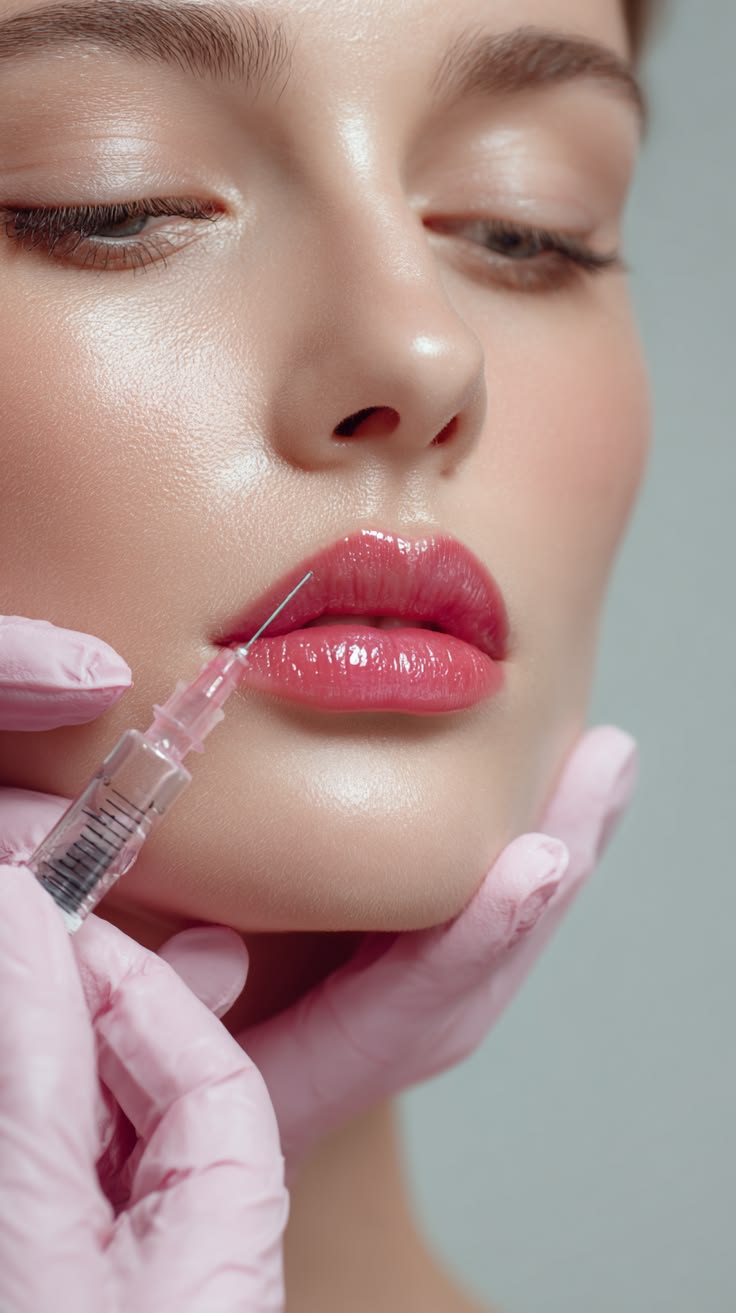
Facial aging rarely follows a single pattern. Some patients notice hollowing under the eyes first, others see folds deepening around the mouth, and many notice a gradual loss of fullness across the cheeks. Dermal fillers offer a non-surgical way to address several of these changes at once, which is why they remain a popular option for facial rejuvenation. This guide explains the areas commonly treated, how clinicians plan a rejuvenation strategy, and what patients should realistically expect from treatment.
Fillers in Dubai: Understanding Facial Volume Loss
Facial aging is not simply a matter of wrinkles appearing on the surface. Beneath the skin, fat pads shift and diminish, bone structure changes subtly, and collagen production declines. These changes contribute to a deflated or tired appearance that topical products alone cannot correct.
Hyaluronic acid-based fillers in Dubai work by replenishing volume in targeted areas. Because the product is placed beneath the skin, it can restore support to regions that have lost structural fullness. This is different from Botox, which relaxes muscles to soften dynamic lines, and from skincare, which primarily affects the skin surface.
A clinician typically maps the face into zones — upper, mid, and lower — and assesses how volume loss in one area may affect the overall balance of the face. This holistic view helps avoid over-treating a single region while neglecting others.
Common Treatment Areas for Facial Rejuvenation
Different areas of the face respond differently to fillers, and not every product suits every region. Below is an overview of the most frequently treated zones.
- Cheeks and mid-face: Often the first area to show volume loss. Restoring cheek support can lift the appearance of the lower face indirectly.
- Nasolabial folds: The lines running from the nose to the mouth. Treatment here can soften their depth, though the underlying cause is often volume loss in the cheeks.
- Lips: Fillers can enhance shape, definition, and hydration. Lip anatomy varies widely, so a conservative approach is usually preferred.
- Jawline and chin: Used to refine contour and address mild asymmetry or recession.
- Under-eye hollows: A delicate area requiring careful product selection and an experienced injector, as the skin is thin and complications are less forgiving.
Fillers in Dubai: Planning a Personalised Strategy
There is no universal template for facial rejuvenation. A patient in their early thirties may benefit from subtle cheek support, while someone in their fifties may need a combination of volume restoration and skin-quality treatments. During a consultation, the clinician considers facial proportions, skin thickness, previous treatments, and the patient's comfort level with change.
In our clinical experience, patients who start with a conservative plan and review results before adding further treatment tend to feel more in control of the outcome. Overfilling is a recognised concern, and a staged approach allows both patient and clinician to assess how the face responds.
Fillers can also be combined with other non-surgical options, such as skin boosters or energy-based treatments, depending on the patient's goals. A clinician will explain which combinations are appropriate and which should be spaced apart.
What Results Look Like and How Long They Last
Results from fillers are visible immediately after treatment, although swelling can obscure the final outcome for a few days. As swelling settles, the treated areas typically look softer and more natural. Patients often describe the effect as looking refreshed rather than changed.
Longevity varies by product, treatment area, and individual factors such as metabolism and lifestyle. Most hyaluronic acid fillers last between six and eighteen months. Areas with more movement, such as the lips, may require more frequent maintenance than areas with less mobility.
It is important to note that fillers do not stop the aging process. They address volume loss at a point in time, and ongoing changes will continue. Maintenance sessions, when appropriate, help sustain the result without pursuing an exaggerated look.
Safety Considerations Before Treatment
Facial rejuvenation with fillers is generally well tolerated when performed by a qualified clinician, but it is not without risks. Bruising, swelling, and temporary tenderness are common. More serious complications, while uncommon, include vascular occlusion, nodules, and infection. These risks underscore the importance of proper training, sterile technique, and a thorough understanding of facial anatomy.
Patients with active skin infections, certain autoimmune conditions, or a history of severe allergic reactions should discuss these with a clinician before treatment. Pregnancy and breastfeeding are typically considered reasons to defer treatment.
At Tajmeels Clinic in Dubai, the emphasis is on assessing suitability and planning treatment that respects each patient's anatomy and goals. A consultation provides the opportunity to review medical history, discuss risks, and agree on a realistic plan.
Deciding Whether Facial Rejuvenation Is Right for You
Fillers can address multiple signs of facial aging in a single treatment plan, but they are not a substitute for surgery or a solution for every concern. The most satisfied patients tend to be those who understand what fillers can achieve, accept that results are temporary, and choose a clinician who prioritises safety and natural-looking outcomes. A thorough consultation is the best starting point for anyone considering fillers in Dubai.
Book Your Consultation at Tajmeels Clinic
Book your consultation at Tajmeels Clinic to discuss your goals, treatment options, expected results, and recovery with our medical team. Contact us today to learn whether treatment is suitable for you and receive an individualized treatment plan.
WhatsApp: +971 56 203 8751
Phone: +971 4 373 9000
Social Media: