
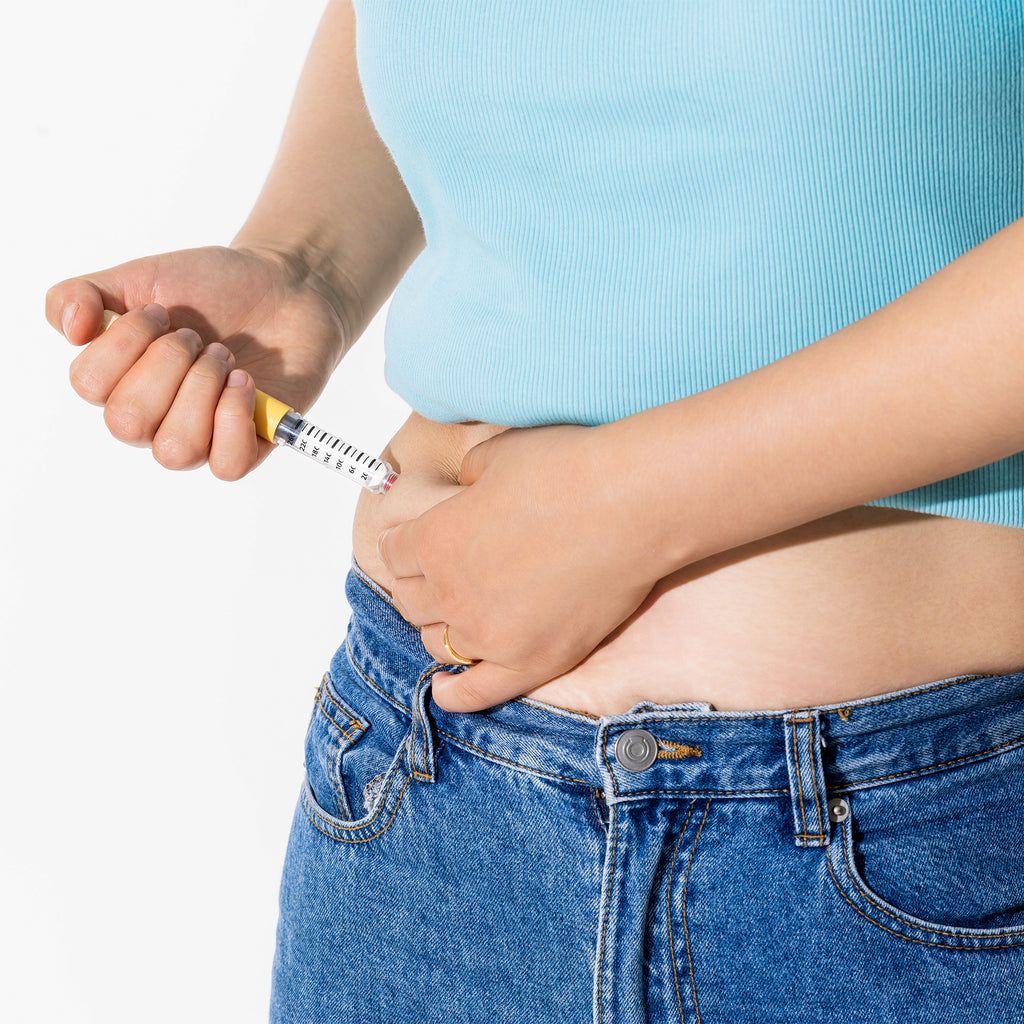
What you do in the days following treatment has a measurable influence on how comfortable your recovery feels and how clearly your results emerge. Aftercare is not an optional add-on; it is part of the procedure itself. Yet many patients leave a clinic with only a vague sense of what to avoid and for how long. This guide sets out practical aftercare guidance for fat melting injection in Dubai, explaining the reasoning behind each instruction so you can follow it properly rather than guessing.
Why Aftercare Directly Affects Your Outcome
The treatment works by triggering a controlled inflammatory response. Fat cells are disrupted, and the body clears them over the following weeks. That process depends on normal healing, adequate circulation, and avoiding unnecessary irritation to the treated area.
Aftercare supports three things:
- Comfort during the initial inflammatory phase
- Proper clearance of disrupted fat cells
- Reduction of avoidable complications
Ignoring aftercare does not necessarily ruin a result, but it can prolong swelling, increase bruising, and make the recovery period more uncomfortable than it needs to be.
The First 48 Hours: Key Priorities
The first two days set the tone for the rest of recovery. Swelling is developing, and the tissue is most reactive.
Priorities in the first 48 hours:
- Apply cold compresses as instructed, with a barrier between ice and skin
- Avoid touching or massaging the area unless told otherwise
- Skip strenuous exercise and heavy lifting
- Avoid alcohol, which increases swelling and bruising
- Keep the area clean and dry
- Sleep comfortably without pressure on the site
- Take only clinician-approved pain relief
Cold application is typically recommended in short intervals rather than continuous use, to avoid cold injury to the skin.
Fat melting injection in Dubai: Activity Restrictions Explained
Exercise restrictions are not arbitrary. Physical exertion increases blood flow and pressure in the treated area, which can amplify swelling and discomfort.
General guidance:
- Light walking is usually acceptable early on
- Intense cardio and resistance training are paused briefly
- Contact sports require a longer pause
- Swimming is avoided while injection sites are healing
- Sauna, steam rooms, and hot baths are typically postponed
Your clinician will specify durations based on the area and volume treated. These are usually days rather than weeks for smaller areas.
Skin Care Around Injection Sites
Injection creates small puncture points that need to heal. Keeping them clean and undisturbed reduces infection risk.
Skin care guidance:
- Wash gently with mild soap and water
- Pat dry rather than rubbing
- Avoid makeup over injection points for a short period
- Skip exfoliating acids and retinoids on the area temporarily
- Do not shave over the site until healed
- Avoid waxing or threading in the region
If a dressing was applied, follow the clinic's instruction on when to remove or change it.
Clothing and Pressure Considerations
What you wear can affect comfort and swelling, particularly for abdominal or thigh treatment.
Practical advice:
- Choose loose clothing over the treated area
- Avoid tight waistbands, belts, or compression garments unless advised
- For facial treatment, avoid tight hats or straps
- Change out of restrictive clothing promptly after sessions
Compression is sometimes recommended for certain body areas but should only be used if your clinician specifies it.
Alcohol, Smoking, and Medication
Substances that affect circulation and healing have a real impact during this period.
Points to observe:
- Avoid alcohol for the period advised, as it worsens swelling
- Avoid smoking, which impairs tissue healing
- Do not start new supplements without checking
- Continue regular prescriptions unless told otherwise
- Avoid blood-thinning pain relief unless approved
If you take anticoagulant medication, this should already have been discussed during consultation.
What to Expect and When to Seek Help
Most after-effects are expected and temporary. Some signs warrant a call to the clinic.
Expected effects:
- Swelling that peaks in the first days
- Bruising that fades over one to two weeks
- Tenderness and firmness in the treated area
- Temporary altered sensation
Contact your clinic if you notice:
- Pain that worsens rather than improves
- Spreading redness or warmth
- Fever or chills
- Pus or unusual discharge
- Severe swelling that does not settle
- Numbness that persists or worsens
Attending Review Appointments
Follow-up visits are not merely administrative. They allow the clinician to assess how the area is responding, identify any early complications, and confirm that healing is progressing normally.
Reviews typically involve:
- Visual assessment of the treated area
- Discussion of your experience since treatment
- Comparison with earlier records where kept
- Guidance on timing of the next session
Skipping reviews removes an important safety check.
Planning Aftercare Around Daily Life
Most patients can work and manage normal responsibilities after treatment, but a little planning improves comfort.
- Schedule sessions before lighter workdays where possible
- Keep a cold pack available at home
- Prepare loose clothing in advance
- Note any questions for your review appointment
- Avoid booking social events during peak swelling
These small preparations make the first week noticeably easier.
Why Clear Aftercare Reflects Clinic Quality
A clinic that provides written, specific aftercare instructions and remains contactable afterward is demonstrating that it takes responsibility for your recovery, not just the procedure.
At Tajmeels Clinic in Dubai, aftercare guidance for fat melting injection in Dubai is provided as a structured part of the treatment plan, so patients know exactly what to do between sessions and whom to contact with concerns. That clarity is a meaningful part of safe care.
Conclusion
Aftercare after injectable fat reduction is straightforward but genuinely influential. Cold compresses, rest from intense activity, clean injection sites, avoidance of alcohol and smoking, and prompt reporting of unusual symptoms all support a smoother recovery. Follow the instructions your own clinician provides rather than generic advice, because guidance varies with the treatment area and volume. Handled well, the recovery period is manageable, and the conditions for a clear result are given the best chance to develop.
For More Details, Contact Us Through:
WhatsApp: +971 56 203 8751
Phone: +971 4 373 9000
Social Media: