
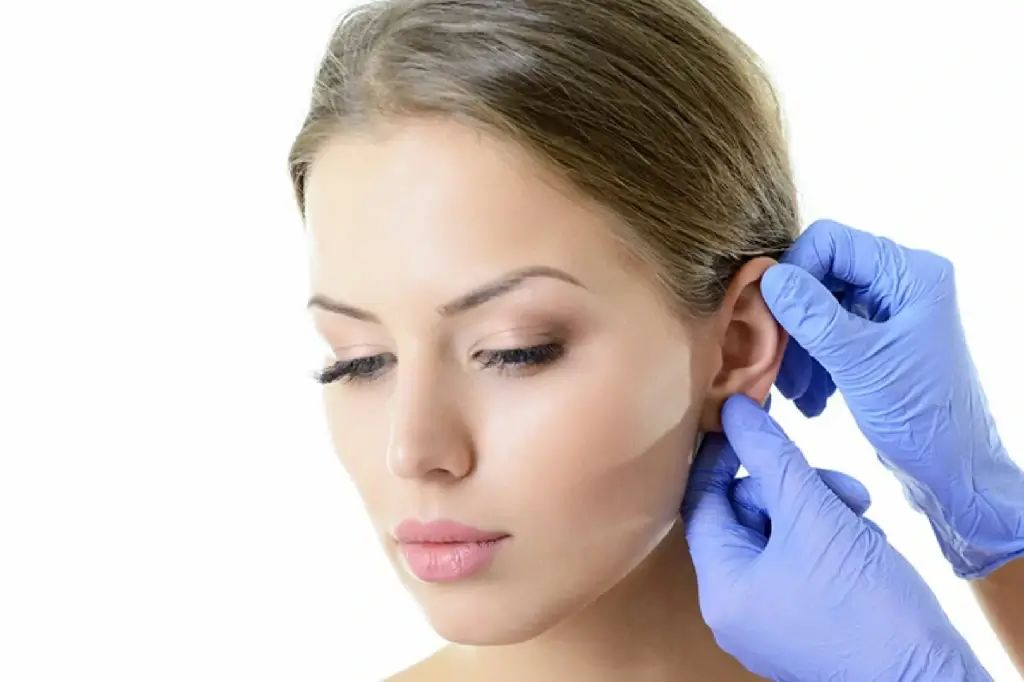
The pursuit of facial symmetry is a common journey for those who feel their features are not in perfect balance. Among various aesthetic concerns, the projection and shape of the ears can significantly impact an individual's confidence. Ear reshaping in Dubai has evolved to offer sophisticated, minimally invasive techniques that provide permanent results with reduced downtime. This procedure, clinically referred to as otoplasty, focuses on refining the ear's structure to create a more subtle and harmonious profile that blends naturally with the patient's overall appearance.
What is Ear Reshaping in Dubai
Otoplasty is a specialized surgical procedure aimed at correcting ears that are prominent, asymmetrical, or misshapen. In our clinical experience, the most requested correction is for ears that protrude more than two centimeters from the head, often called "bat ears." Modern medicine now allows us to achieve these corrections using smaller incisions and more refined cartilage manipulation than was possible in previous decades.
Ear reshaping in Dubai is a unique clinical offering because it addresses the auricular cartilage—the living, flexible framework of the outer ear. Because this framework reaches near-adult size by early childhood, the procedure is frequently performed on children as young as five, as well as adults. The goal is to create a permanent structural change that enhances the patient's self-image for a lifetime.
Mechanism of Action: How the Treatment Works
The biological mechanism of this procedure centers on the "memory" and flexibility of the ear's cartilage. During the procedure, the practitioner accesses the cartilage through a discreet, vertical incision hidden in the posterior auricular crease (the shadow behind the ear).
Through this access point, the surgeon thins or scores the cartilage to make it more pliable, allowing it to be folded back toward the head. Permanent internal sutures are then utilized to secure the cartilage in this new contour. What patients typically report during recovery is a feeling of firmness, which is an expected sign that the internal scaffolding is successfully maintaining the new shape while the body’s healing process integrates the changes.
Why Ear Reshaping in Dubai Is Used
The purpose of the procedure is to bring the ears into a better relationship with the head and other facial features. While the motivation is often aesthetic, there are several clinical purposes for the treatment:
- Projection Management: Bringing the ears closer to the scalp to minimize their visibility from the front.
- Antihelical Fold Creation: Creating a natural-looking curve in ears that appear flat or unfolded.
- Conchal Reduction: Reducing the size of the central "bowl" of the ear to decrease overall protrusion.
- Correction of Asymmetry: Ensuring that both ears sit at a similar height and angle for a balanced look.
Benefits of Modern Ear Reshaping
Choosing a professional clinical path for ear correction offers significant advantages, particularly with the advent of minimally invasive approaches.
| Benefit Category | Clinical Impact |
| Permanent Solution | The structural changes do not reverse, providing a lifelong result. |
| Reduced Scarring | Posterior incisions are completely hidden from public view. |
| Quick Recovery | Most patients return to school or work within 7 days. |
| High Precision | Allows for millimetric adjustments to ensure natural symmetry. |
Ideal Candidates for the Procedure
To ensure safety and optimal results, we evaluate candidates based on their physical development and general health status.
- Children (Ages 5-6+): Those with sufficiently mature cartilage who are bothered by their ear shape.
- Healthy Adults: Individuals with no active skin infections or chronic healing disorders.
- Non-Smokers: Essential for maintaining the blood supply needed for delicate skin healing.
- Realistic Expectations: Patients who seek improvement and harmony rather than absolute mathematical perfection.
Procedure: Step-by-Step Treatment
- Clinical Consultation: Mapping the ear anatomy and discussing the desired degree of setback.
- Anesthesia: Local anesthesia with sedation is typically used for adult comfort; general anesthesia for children.
- The Incision: A small, discreet cut is made in the natural fold behind the ear.
- Cartilage Sculpting: The surgeon reshapes the cartilage to create natural-looking folds and curves.
- Placement of Sutures: Internal, medical-grade stitches lock the ear in its new, recessed position.
- Protective Dressing: A soft wrap is applied to stabilize the ears for the first 24 to 48 hours.
Common Treatment Areas and Target Zones
Precision ear surgery focuses on several anatomical zones to ensure a comprehensive and natural-looking result:
- The Conchal Bowl: The deep central part of the ear; reducing its height is key to pulling the ear back.
- The Antihelical Fold: The inner "Y-shaped" ridge that is often missing or weak in prominent ears.
- The Helical Rim: The outer edge of the ear, which can be smoothed for a cleaner profile.
- The Lobule: The earlobe, which may be repositioned if it also protrudes significantly.
Cost Factors and Price Considerations
The investment for ear reshaping in Dubai is determined by the specific complexity of each case. Factors such as whether the patient requires a bilateral (two ears) or unilateral (one ear) procedure, the type of anesthesia selected, and the level of surgical expertise required all influence the final resources needed. Because the results are permanent and typically require only a single session, it is considered a high-value clinical investment in long-term confidence.
Recovery Timeline and Healing Process
Following the post-operative protocol is essential for protecting the internal sutures during the initial healing phase.
- Days 1-3: Patients wear a protective head wrap. Mild swelling and tenderness are managed with standard clinical care.
- Week 1: The heavy bandage is removed, and a lighter elastic headband is worn 24/7.
- Weeks 2-6: The headband is typically worn only at night to prevent the ears from folding during sleep.
- Month 3: The ears have fully settled, and the final result is clearly established with soft, natural-feeling tissue.
Side Effects and Safety Considerations
Otoplasty is a routine procedure with a very high safety profile. Minor side effects may include temporary bruising, redness, or a tingling sensation (numbness) around the incision site. Rare risks include minor asymmetry or a reaction to the internal sutures. Following all clinical hygiene instructions—such as keeping the area dry and elevated—is the most effective way to ensure a smooth and complication-free recovery.
How to Maintain Results
Once the initial healing phase of six weeks is over, the results of the surgery are considered permanent. The internal sutures are designed to stay in place indefinitely, providing hidden support. We advise patients to avoid contact sports or any activity where the ears might be forcefully pulled for at least two months. After this point, no special long-term maintenance is required; the results are yours to enjoy for a lifetime.
Conclusion
We understand that the decision to undergo an aesthetic procedure is a significant personal step. It is our mission to ensure that every patient feels supported, informed, and confident in their choice. At Tajmeels Clinic, we prioritize clinical precision and an empathetic approach, ensuring your results are naturally balanced and permanent. By focusing on your unique anatomy and safety, we help you achieve a profile that truly reflects your inner confidence. You deserve to feel comfortable in your own skin, and we are here to guide you toward that facial harmony with expert medical care.