
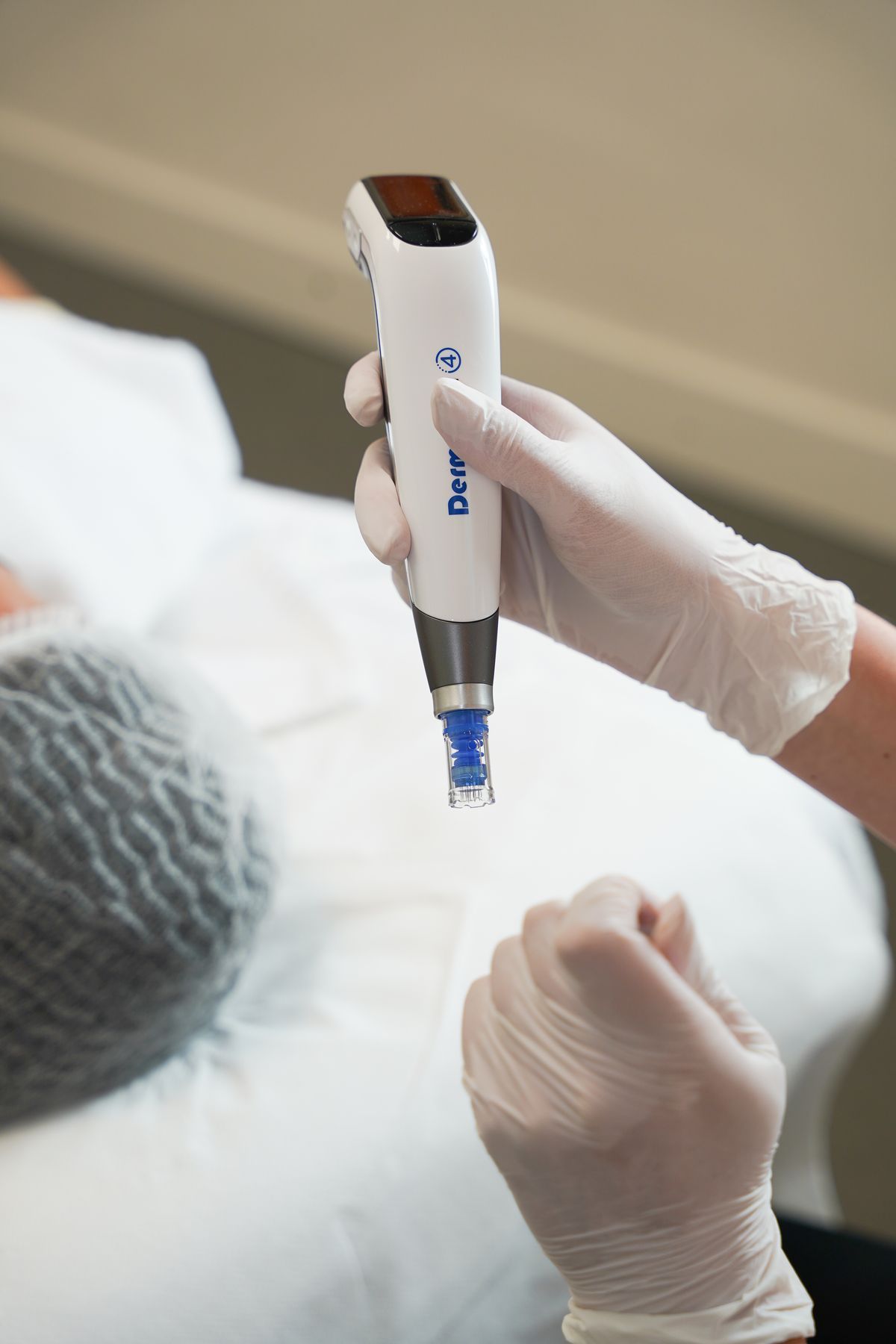
Not every skin concern responds to the same procedure, and not every patient is a safe candidate for microneedling — even when the treatment is widely marketed as suitable for all. The difference between a good outcome and a disappointing one often comes down to careful patient selection before the first session begins. This article breaks down how clinicians decide who is appropriate for Dermapen Treatment in Dubai, which factors may delay treatment, and why an honest assessment is more valuable than a quick booking.
Skin Characteristics That Favour Treatment
Clinicians generally look for skin that is intact, healthy, and free from active inflammation. Certain characteristics tend to predict a more favourable response:
- Mild to moderate texture concerns such as enlarged pores, early fine lines, and uneven surface
- Atrophic acne scars — rolling and boxcar types in particular
- Photoaging changes such as mild laxity and dullness
- Stretch marks where the skin is otherwise healthy
- Fitzpatrick skin types I to IV, though darker skin can be treated with adjusted protocols and caution
The key principle is that microneedling works by stimulating the skin's own repair mechanisms. Skin that is already compromised has less capacity to heal well, which is why assessment comes before enthusiasm.
When Dermapen Treatment in Dubai Should Be Delayed
There are clear situations where a responsible clinician will recommend waiting rather than proceeding. These include:
- Active acne with cysts or widespread inflammation
- Bacterial, viral, or fungal skin infections in the treatment area
- Cold sores (herpes simplex) currently active or frequently recurring
- Recent sunburn or significant sun exposure
- Eczema, psoriasis, or rosacea in an active flare
- Pregnancy or breastfeeding
- Use of isotretinoin within the previous six months
- Blood-thinning medication or a diagnosed bleeding disorder
- History of keloid scarring
- Uncontrolled diabetes or immunosuppression
None of these necessarily rules out treatment permanently. Most represent temporary pauses, after which the procedure can be reconsidered once the skin is stable.
Age, Skin Type, and Realistic Expectations
Age is less important than skin condition and overall health. A 25-year-old with active acne may not be ready, while a 55-year-old with healthy skin and texture concerns may be an excellent candidate. What matters more is whether the patient understands the realistic scope of improvement.
In our clinical experience, patients who do best are those who expect gradual, cumulative change over several sessions rather than a dramatic transformation after one appointment. Setting that expectation during consultation is part of good practice, not a limitation of the treatment.
Medical History and Medication Review
A thorough consultation includes a review of medical history and current medications. Even over-the-counter supplements can affect bleeding and healing. Clinicians typically ask about:
- Prescription and non-prescription medications
- Supplements such as high-dose vitamin E or fish oil
- Allergies, particularly to lidocaine or topical anesthetics
- Previous aesthetic procedures, including fillers, lasers, or peels
- Any history of poor wound healing or hypertrophic scarring
This information shapes the treatment plan, needle depth, and aftercare recommendations. Omitting details to speed up the appointment rarely works in the patient's favour.
Who Might Benefit From a Different Approach
Some concerns are better addressed with alternatives or combinations. Deep ice-pick scars, melasma, and significant pigment disorders may require a different modality or a staged plan. A clinician may recommend combining microneedling with other treatments, or choosing a different procedure entirely if the evidence suggests better outcomes.
Being told that Dermapen Treatment in Dubai is not your best first option is useful information, not a rejection. It reflects clinical judgement about matching the tool to the concern.
The Role of Skin Assessment Technology
Many clinics use skin analysis tools such as digital imaging or hydration and pigmentation mapping to support the consultation. These tools do not replace clinical judgement, but they can help document baseline skin condition and track changes over time. Patients should feel comfortable asking how their progress will be measured.
Preparing for a Candidacy Consultation
If you are considering the procedure, prepare for the consultation as you would for any medical appointment. Bring a list of medications and supplements, mention previous aesthetic treatments, and be honest about sun exposure and skincare habits. Ask directly whether your specific concern is likely to respond and what the realistic range of improvement looks like.
At Tajmeels Clinic in Dubai, candidacy is assessed individually rather than through a one-size-fits-all package. A structured consultation helps confirm whether the treatment aligns with your skin's needs and whether any pre-treatment adjustments are advisable first.
Final Thoughts on Choosing the Right Path
Suitability for Dermapen Treatment in Dubai depends on skin condition, medical history, medications, and expectations — not simply on the concern you want to address. A careful clinician will sometimes say "not yet" or "not this procedure," and that honesty is a sign of quality care. If you are unsure whether you qualify, the most sensible step is a professional assessment that answers that question directly, rather than guessing from marketing material.
Ready to Begin Your Transformation?
Get in touch with us today to explore exclusive offers and find the right treatment for you!
WhatsApp: +971 56 203 8751
Phone: +971 4 373 9000
Social Media: