
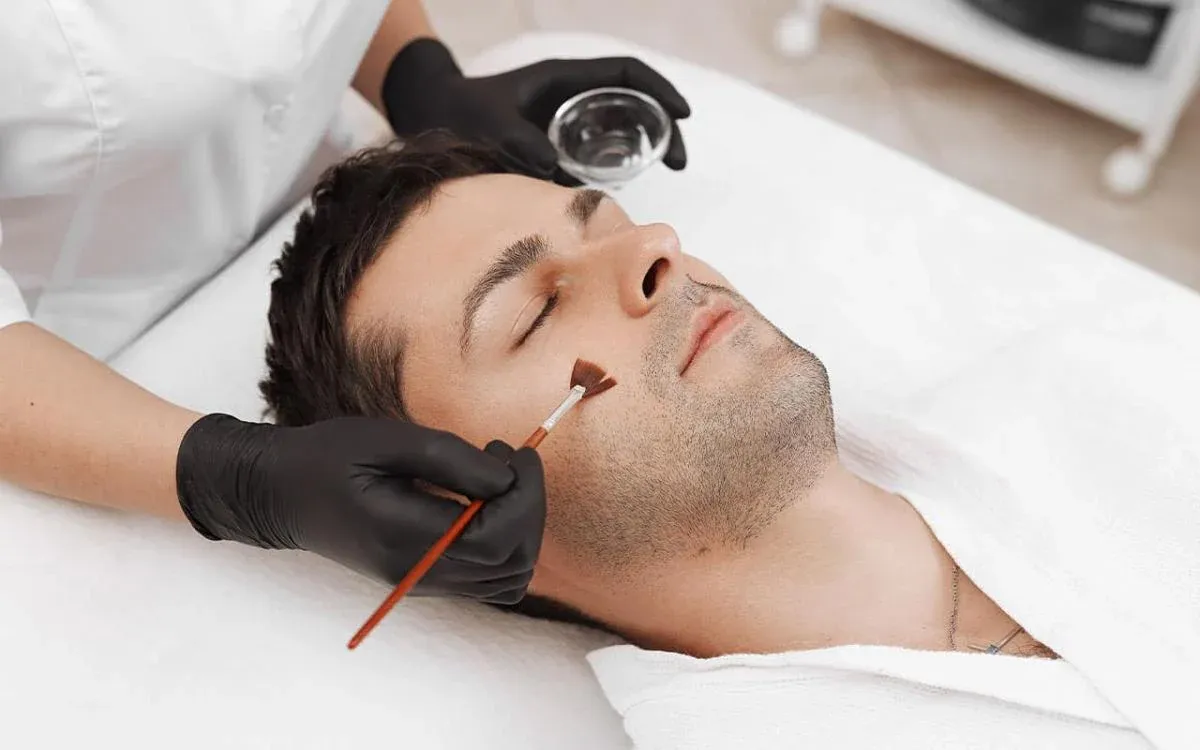
Not every skin concern responds to the same resurfacing approach, and not every patient is a safe candidate for acid-based exfoliation. Suitability is one of the most important conversations to have before treatment, yet it is often the one patients research least. If you are weighing up a chemical peel in Dubai, the question is not simply whether the treatment is popular — it is whether your skin, medical history, and expectations align with what the procedure can realistically deliver. This article focuses specifically on candidacy: who tends to do well, who should proceed cautiously, and why an individualized assessment matters more than a generic checklist.
Chemical peel in Dubai: What Makes Someone a Good Candidate
In clinical practice, suitable candidates generally share a few characteristics rather than a single defining trait. They have a specific, identifiable skin concern, a realistic understanding of what resurfacing can achieve, and a willingness to follow aftercare instructions consistently.
Common indications include:
- Uneven skin tone or dullness
- Mild post-acne marks and textural irregularities
- Sun-related pigmentation changes
- Enlarged pores and rough surface texture
Equally important is skin barrier health. A patient whose barrier is compromised — through overuse of actives, recent aggressive treatments, or active inflammation — is usually not ready for a peel on the day they walk in. Priming the skin for one to two weeks beforehand is often recommended to reduce the risk of adverse reactions.
How Skin Type Influences Candidacy
Fitzpatrick skin typing is a standard part of the assessment. Patients with lighter skin types generally tolerate a broader range of agents, while those with deeper skin tones require more conservative selection to minimize the risk of post-inflammatory hyperpigmentation.
This is particularly relevant in Dubai, where the patient population spans a wide range of ethnic backgrounds. A protocol that suits one patient may be entirely inappropriate for another with a similar concern but different pigmentary biology. During a consultation, the clinician may assess your skin type, current tone, and any history of pigment changes after previous treatments.
Chemical peel in Dubai: Who Should Delay or Avoid Treatment
Some patients should not proceed, at least not without further medical review. These include individuals who are pregnant or breastfeeding, those with active skin infections or open wounds in the treatment area, and anyone who has used isotretinoin within a defined recent period.
Other situations warrant caution rather than outright avoidance:
- A history of keloid or hypertrophic scarring
- Uncontrolled eczema, rosacea, or psoriasis
- Recent waxing, laser, or dermabrasion in the same area
- Use of retinoids or strong exfoliating acids close to treatment
- A tendency toward cold sores, which may require antiviral cover
Being honest about your history is not optional. Concealing a recent treatment or medication to "get started sooner" increases the risk of complications and undermines the clinician's ability to plan safely.
Matching the Peel to the Patient
Candidacy is not only about whether a peel is appropriate — it is about which peel is appropriate. A superficial glycolic or lactic acid peel may suit a patient seeking gradual brightening with minimal downtime. A medium-depth trichloroacetic acid peel may be considered for more pronounced textural concerns, but it demands longer recovery and stricter patient selection.
The right match depends on the concern, the skin type, the patient's schedule, and their tolerance for downtime. A clinician who recommends the same peel to every patient is worth questioning.
Chemical peel in Dubai: Signs You Are Ready to Proceed
Readiness is as much about preparation as suitability. Patients who do well typically:
- Have realistic expectations about gradual improvement rather than dramatic transformation
- Can commit to sun protection and aftercare during the recovery period
- Understand that a series of sessions may be needed
- Have disclosed all medications and prior treatments
- Are prepared to postpone if the skin is not in an optimal state
If any of these are uncertain, a second consultation or a staged approach may be the wiser choice.
When Suitability Requires Professional Assessment
Online quizzes and general articles can offer guidance, but they cannot examine your skin. Pigmentary disorders, undiagnosed rosacea, and subtle barrier damage are not always visible to the untrained eye. In our clinical experience, the patients who achieve the most consistent outcomes are those who allow the assessment to guide the plan rather than arriving with a predetermined treatment in mind.
At Tajmeels Clinic in Dubai, suitability is reviewed on an individual basis, with discussion of alternatives where a peel is not the best first step. This approach prioritizes safety and appropriate patient selection over simply proceeding with a requested procedure.
Conclusion
Suitability for a chemical peel is a clinical judgment, not a marketing decision. The right candidate has a clear concern, healthy skin barrier, an accurate understanding of recovery, and a willingness to follow professional guidance. If you are unsure whether you fit that profile, the most sensible next step is a consultation — not a booking. A qualified clinician can tell you whether treatment is appropriate now, later, or not at all.
Ready to Begin Your Transformation?
Get in touch with us today to explore exclusive offers and find the right treatment for you!
WhatsApp: +971 56 203 8751
Phone: +971 4 373 9000
Social Media: