
Before booking any skin treatment, patients deserve a clear picture of what the procedure involves from start to finish. A chemical peel in Dubai is frequently discussed online, yet much of the available information mixes marketing claims with clinical detail. This guide takes a structured approach — covering the treatment's purpose, how it is performed, who it suits, what aftercare requires, and how to judge whether a clinic is qualified — so you can make an informed decision rather than a rushed one.
What a Chemical Peel Actually Does
A chemical peel is a controlled exfoliation technique. A clinician applies an acid-based solution to the skin, deliberately causing the outer layers to shed and regenerate. Unlike scrubs or retail acids, the concentration and application time are managed professionally, which allows the depth of action to be planned in advance.
The three broad categories are superficial, medium, and deep. Superficial peels refresh the surface, medium peels address pigmentation and texture more substantially, and deep peels produce the most pronounced resurfacing with the longest recovery. The category chosen should reflect the skin concern, not convenience.
Chemical Peel in Dubai: Who Benefits Most
Candidates typically include adults bothered by dullness, sun-related pigmentation, post-acne marks, mild textural irregularities, or early photoaging. Patients with certain skin tones require extra caution because of pigment risk, and this is where an experienced clinician's judgement matters more than the product label.
Assessment usually covers skin type, sensitivity, allergy history, medications, pregnancy status, and previous cosmetic treatments. Someone who has recently used isotretinoin or has an active skin infection may be advised to postpone. A chemical peel in Dubai is not a one-size-fits-all purchase; it is a clinical decision made after examination.
The Consultation Comes First
A responsible clinic will not peel skin on the first visit without evaluation. During consultation, the clinician may:
- Examine skin condition under appropriate lighting
- Ask about triggers for pigmentation and sensitivity
- Review your current skincare actives
- Discuss expected outcomes and limitations
- Recommend a test patch or priming routine where needed
This stage also establishes consent and aftercare instructions. If a provider skips this conversation, that is a signal to reconsider.
Chemical Peel in Dubai: Walking Through the Session
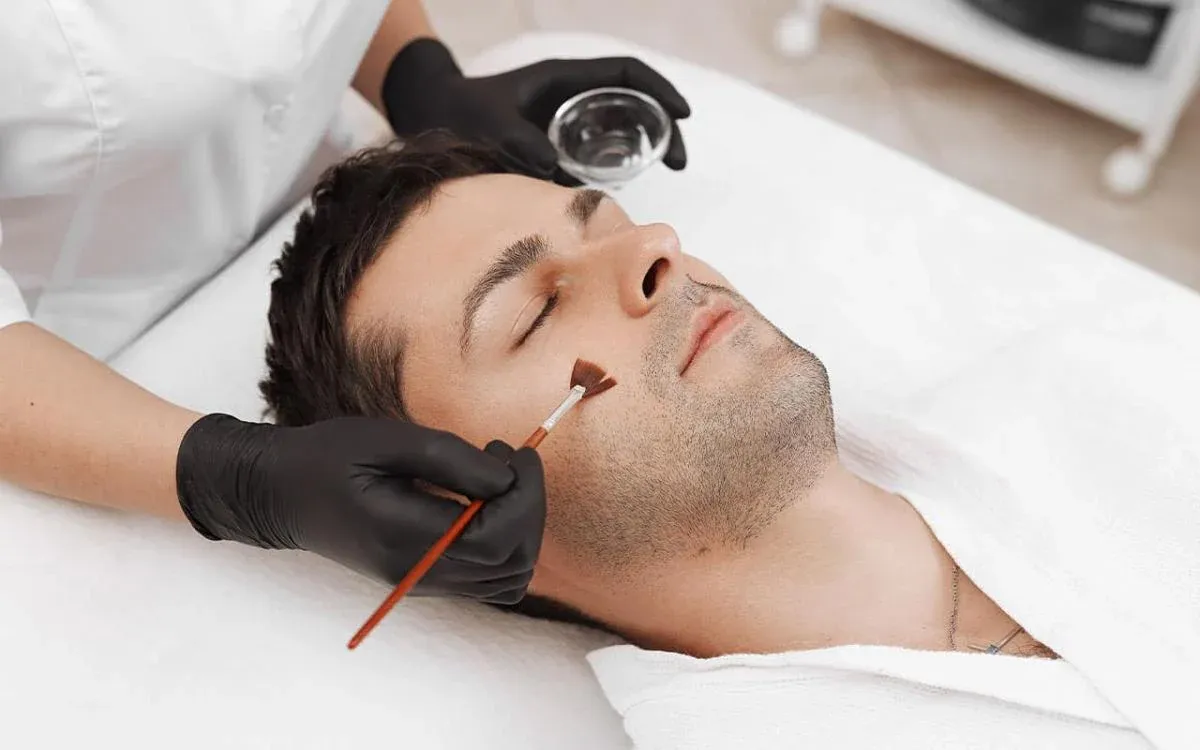
On treatment day, the skin is cleansed and degreased before the solution is applied in controlled passes. The clinician watches for the expected reaction — frosting or erythema depending on the agent — and neutralises or removes the product at the planned endpoint.
Sensations range from mild tingling to temporary stinging. Most sessions last under an hour. Afterwards, soothing agents and sun protection are applied, and you leave with written aftercare guidance. A chemical peel in Dubai performed to standard should feel methodical, not rushed.
Aftercare: The Part Patients Underestimate
Post-peel care strongly influences results. Typical instructions include:
- Gentle cleansing and barrier repair moisturisers
- Strict daily sunscreen, including reapplication
- Avoiding retinoids, acids, and exfoliants for a set period
- Not picking or peeling flaking skin
- Reporting unusual pain, blistering, or spreading redness promptly
Patients who follow these steps generally experience smoother healing. Those who resume harsh actives too early risk irritation and pigment problems.
Recovery Across the Peel Categories
Superficial peels often cause light flaking for a few days with minimal disruption. Medium peels bring visible peeling, redness, and sensitivity lasting roughly a week or more. Deep peels require dedicated recovery time and closer follow-up.
Individual healing speeds differ, and the same peel can behave differently on two patients. Planning social and work commitments around the expected downtime is sensible.
Safety, Side Effects, and Honest Limitations
Common temporary effects include redness, tightness, and flaking. Less common but recognised risks include infection, scarring, and post-inflammatory hyperpigmentation, with risk rising with peel depth and poor aftercare.
No treatment is risk-free, and no clinician can promise a specific result. At Tajmeels Clinic in Dubai, patient selection and individualised planning are treated as core safety measures, because matching the peel to the person reduces avoidable complications.
Deciding Whether to Proceed
Ask yourself whether your concern is realistic for a peel, whether you can commit to aftercare and sun protection, and whether the clinic explained risks as clearly as benefits. A second opinion is always acceptable. The right decision is the one made with full information.
Ready to Begin Your Transformation?
Get in touch with us today to explore exclusive offers and find the right treatment for you!
WhatsApp: +971 56 203 8751
Phone: +971 4 373 9000
Social Media: