
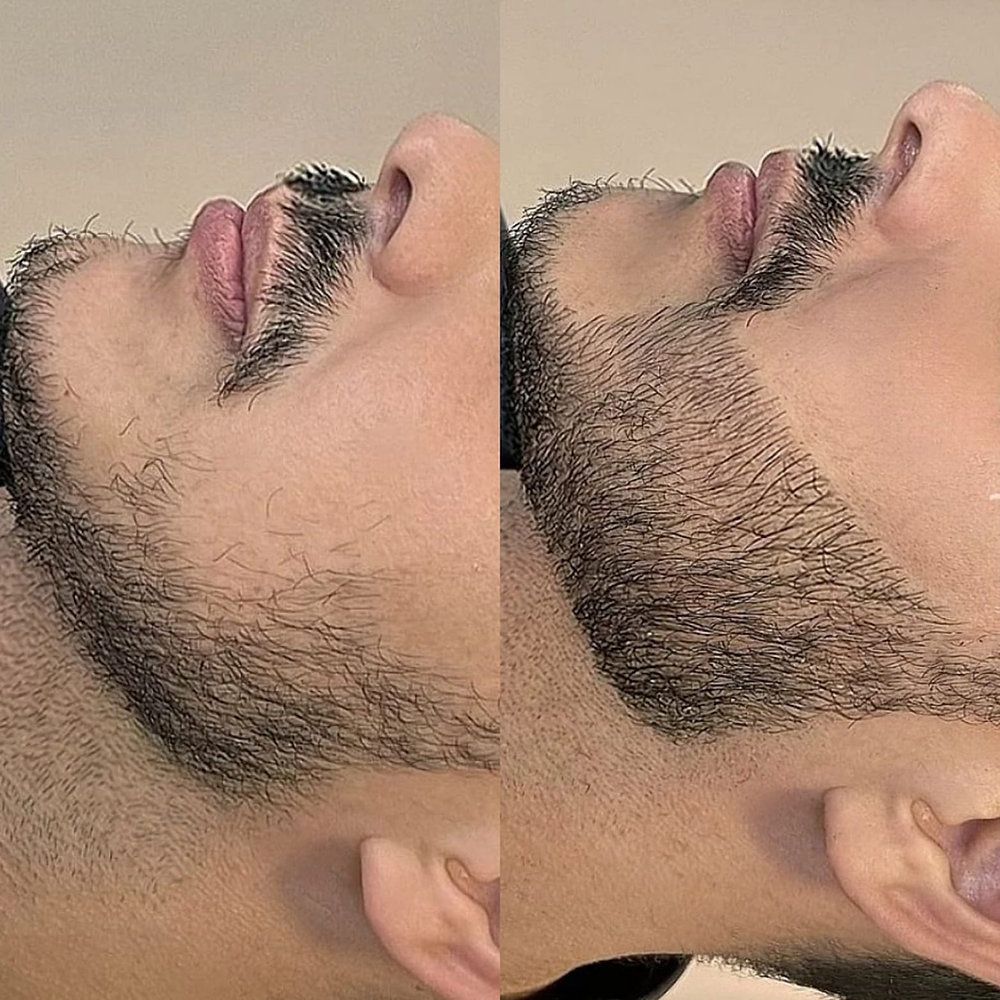
The success of a facial hair restoration does not end when you leave the clinic; in many ways, it is just beginning. For men who have recently undergone a beard hair transplant in dubai, the first fourteen days of at-home care are the most influential period for graft survival and skin healing. While the procedure is minimally invasive, the "newly planted" follicles are delicate and require a specific environment to thrive. Proper post-operative management ensures that the redness fades quickly and the hair roots anchor deeply into the facial tissue for permanent growth.
The Critical First 48 Hours of Healing
The immediate aftermath of a hair transplant is characterized by the "setting" phase. During this time, the tiny incisions are beginning to close, and the follicles are starting to establish a connection to the local blood supply. In our clinical experience, the most important rule during these first two days is to avoid touching, scratching, or washing the recipient area. A beard hair transplant in dubai involves thousands of micro-grafts that can be easily displaced by even minor friction. Keeping the head elevated while sleeping is also essential to help drain any local anesthetic fluids and minimize facial swelling.
The Biological Mechanism of Graft Anchoring
The "mechanism" of healing involves the formation of tiny crusts or scabs around each implanted hair. These scabs act as a protective seal, keeping bacteria out while the follicle's bulb fuses with the surrounding dermis. What patients typically report during recovery is a slight itching sensation around day three or four. This is a positive sign of healing and increased blood flow. However, it is vital to resist the urge to pick at these crusts; they must be allowed to fall off naturally through gentle, prescribed washing techniques to ensure the "root" remains undisturbed.
The Purpose of Strict Home Care After Beard hair transplant in dubai
The primary purpose of a detailed home-care routine is to prevent infection and mechanical trauma. Because the face is exposed to the environment more than the scalp, the purpose of using specialized saline sprays and antibiotic ointments is to create a sterile "micro-climate" for the follicles. In a professional setting, we provide patients with a kit specifically designed to balance the skin's pH and keep the grafts hydrated. Following this medically responsible framework reduces the risk of folliculitis and ensures that the transition from surgery to natural growth is seamless.
Essential Benefits of Proper Aftercare
Adhering to a clinical post-op protocol offers several long-term advantages for the final aesthetic outcome.
- Minimized Scarring: Proper hydration of the skin prevents "pitting" or uneven texture.
- Reduced Social Downtime: Following the washing schedule helps the redness resolve in 5–7 days.
- Maximum Density: Protecting every graft ensures the thickest possible beard once the growth phase begins.
- Healthy Donor Area: Caring for the back of the head ensures that the extraction sites heal into invisible white dots.
Identifying the Ideal Environment for Recovery
The ideal candidate for a fast recovery is someone who can maintain a clean, low-stress environment for the first week. We recommend avoiding dusty areas, heavy exercise, and direct sunlight, as UV rays can cause hyperpigmentation in the healing skin. In our clinical experience, patients who stay hydrated and consume a diet rich in proteins and vitamins see faster tissue repair. By controlling these external factors, you allow the beard hair transplant in dubai to reach its full biological potential without interference from environmental stressors.
Step-by-Step Home Care for Beard hair transplant in dubai
- Days 1–2 (Dry Phase): Do not wash the face. Use the provided saline mist every 2–3 hours to keep the grafts moist without saturating them.
- Day 3 (First Gentle Wash): Use a diluted, pH-neutral shampoo. Foam it in your hands and gently "dab" it onto the beard. Do not rub.
- Days 4–7 (Rinsing): Use a cup to pour lukewarm water over the face. Avoid high-pressure showerheads, which can dislodge the grafts.
- Day 10 (Scab Softening): If crusts remain, apply a light layer of moisturizing oil for 30 minutes before washing to help them slide off.
- Day 14 (Normalcy): Most patients can return to their regular facial cleansers and sleep in any position.
Managing Treatment Zones with Specific Care
Different parts of the beard require slightly different attention during home care. The "mustache" area, being near the nose and mouth, is more prone to movement from eating and speaking; we recommend small bites and avoiding wide-mouth expressions for the first few days. In our clinical experience, the "neckline" is often the most sensitive area and may require a bit more moisturizing ointment to prevent irritation from shirt collars. By being mindful of these specific zones, you ensure the entire beard hair transplant in dubai heals uniformly.
| Care Task | Frequency | Clinical Goal |
| Saline Misting | Every 2 Hours (Day 1-3) | Keep grafts hydrated and cool |
| Antibiotic Ointment | Twice Daily (Donor Area) | Prevent infection in extraction sites |
| Elevated Sleeping | First 3 Nights | Reduce swelling around the eyes/cheeks |
| Sun Protection | First 3 Months | Prevent dark spots (hyperpigmentation) |
Success Factors in Post-Op Beard hair transplant in dubai
The success of your restoration is a partnership between the surgeon’s skill and your at-home discipline. A beard hair transplant in dubai requires a commitment to the "no-shaving" rule for the first 30 days. Shaving too early can traumatize the skin and potentially damage the young follicles. What patients typically report during recovery is that using a soft beard oil after the first month helps manage the "stiff" feeling of the new hair, making the growth phase much more comfortable. This patient-led care is the final step in securing a world-class result.
Safety Protocols and Medical Responsibility Aftercare
We emphasize a medically responsible approach to recovery by providing 24/7 access to our clinical team for any questions. If you notice excessive swelling or unusual redness, it is important to contact the clinic immediately rather than using home remedies. What patients typically report during recovery is that the detailed "what to expect" guide we provide reduces anxiety during the "shedding phase" (when the hair shafts fall out at week three). Knowing that this is a normal biological step allows you to focus on the long-term goal of a full, healthy beard.
Long-Term Maintenance of Your New Facial Hair
After the first month, your "maintenance" shifts from medical care to standard grooming. By month four, when the new hair starts to sprout, you can treat it exactly like your original beard. We recommend a high-quality beard brush to help train the hair to grow in the desired direction. Since these follicles are permanent, they will continue to produce thick, healthy hair as long as you maintain basic skin hygiene. The effort you put into the first two weeks of care will be rewarded with a lifetime of natural-looking density.
Conclusion
Managing your recovery at home is the bridge between the surgical procedure and your final, transformed look. By following a structured, medically backed care plan, you protect your investment and ensure the health of your skin. At Tajmeels Clinic, we are dedicated to supporting our patients through every step of the healing process, providing the tools and knowledge necessary for a successful outcome. The precision of our work is matched only by the care you provide during the healing phase. Learn if this treatment is right for your lifestyle by connecting with our team for a personalized recovery consultation.